 English
 Arabic
 Chinese (Simplified)
 Dutch
Dutch French
 German
 Italian
 Portuguese
 Russian
 Spanish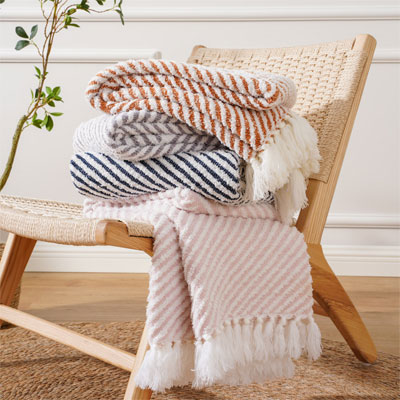
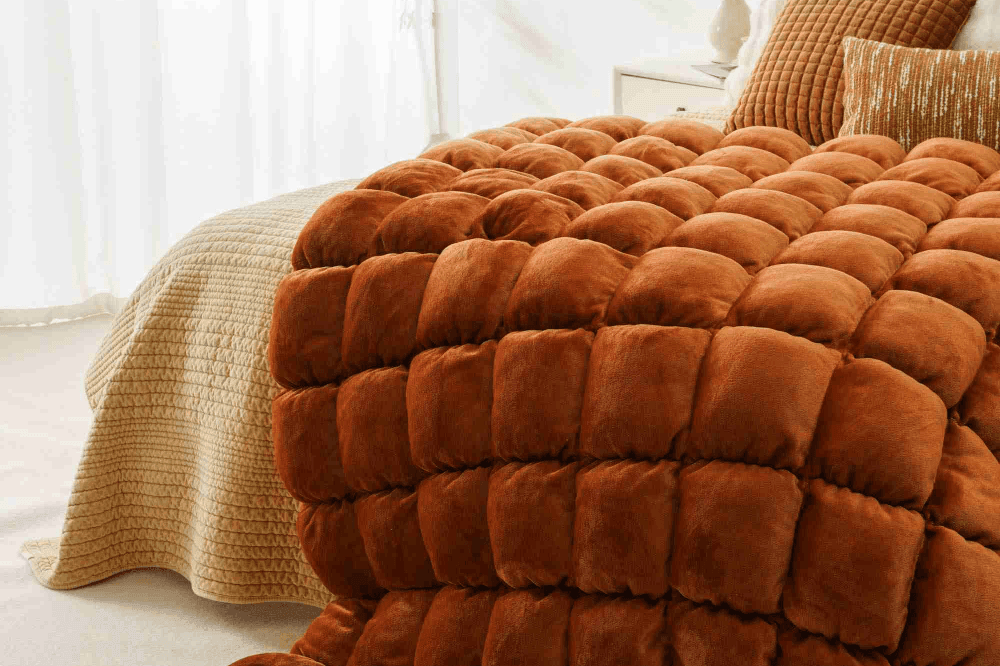
As the home textile market gears up for the peak shopping season, retail buyers, Amazon sellers, and brand managers face a shared, time-sensitive challenge: securing high-quality inventory in time for Black Friday, Cyber Monday (BFCM), and the Christmas rush.
Decorative throws and winter blankets are among the highest-margin, fastest-moving categories during the Q4 holiday surge. However, unexpected supply chain bottlenecks, extended fabric mill lead times, or ocean shipping congestion can quickly turn a profitable holiday strategy into a missed opportunity.
To help you stay ahead of the holiday rush, this step-by-step sourcing timeline outlines how to manage your winter blanket production schedule from initial design to final warehouse delivery.
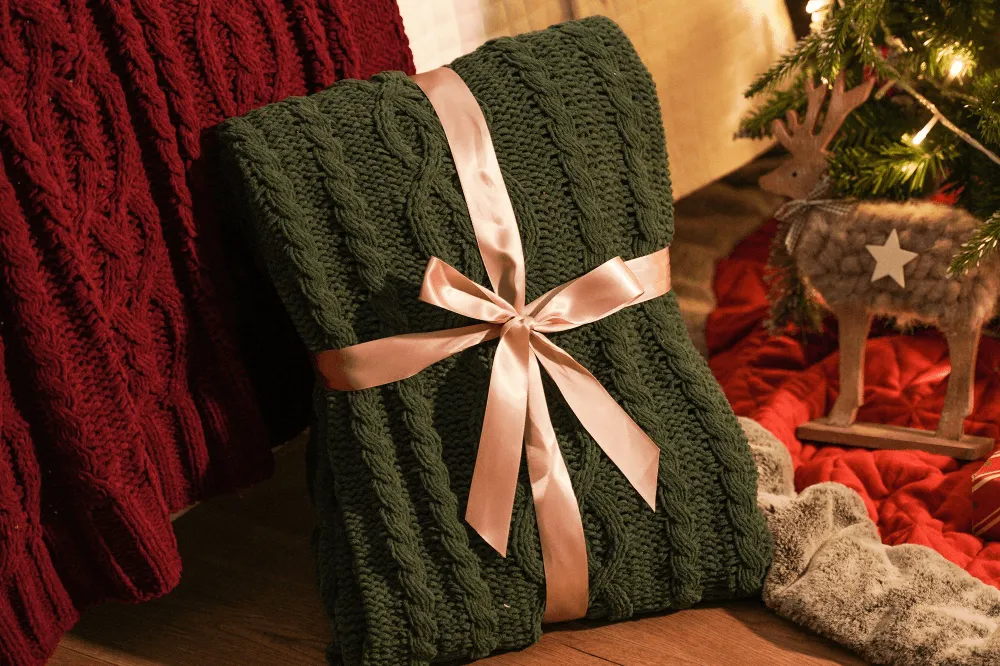
The Q4 Sourcing Master Timeline: From Concept to Shelf
To guarantee that your Christmas and winter throw blankets arrive before Black Friday campaigns go live, backward planning is essential. Here is the ideal timeline for B2B home textile sourcing.
Phase 1: Trend Research & Design Concept (April – May)
The foundation of a successful holiday collection begins early in the second quarter.
Focus Areas: Evaluate seasonal motifs, including festive jacquards, holiday grid patterns, sherpa linings, or plush chenille textures.
Action Item: Partner with an experienced ODM supplier that offers local market insights. Utilizing existing design libraries or leveraging overseas design teams accelerates the concept phase significantly.
Phase 2: Material Selection & Rapid Sampling (June – July)
Before starting mass production, locking in fabric specifications and confirming physical samples is crucial.
Focus Areas: Confirm fabric weights (GSM), hand feel, and material compositions—whether choosing ultra-soft fleece, luxurious chenille, or eco-friendly recycled polyester.
Action Item: Request rapid sampling. Work with a manufacturer that delivers quick sample turnarounds to test color fastness, lab dips, and seasonal packaging before approving final bulk production.
Phase 3: Mass Production & Quality Control (July – August)
By mid-summer, bulk production must be fully underway to secure factory capacity before peak season surcharges apply.
Focus Areas: Ensure all raw materials meet international compliance standards, including OEKO-TEX Standard 100 and GRS (Global Recycled Standard) for eco-conscious lines.
Action Item: Conduct rigorous in-line and pre-shipment Quality Control (QC) inspections to verify seam durability, pattern alignment, and packaging accuracy before goods leave the factory floor.
Phase 4: Logistics & Customs Clearance (September – October)
Shipping during Q3 and early Q4 often carries the risk of port congestion and container shortages.
Focus Areas: Build a 30- to 45-day buffer for ocean freight, customs clearance, and inland drayage.
Action Item: Coordinate with your forwarder to book vessel space early. Splitting shipments—sending core inventory via sea freight and reserving fast-vessel options for emergency restocks—mitigates supply chain risks.
Phase 5: Warehouse Check-in & Campaign Launch (Late October – Early November)
All holiday inventory should land at your fulfillment centers or Amazon FBA warehouses by late October.
Focus Areas: Final inventory audits and staging for promotional listings.
Action Item: Launch marketing campaigns, prime early-bird holiday shoppers, and execute seamless fulfillment throughout Black Friday and Cyber Monday.
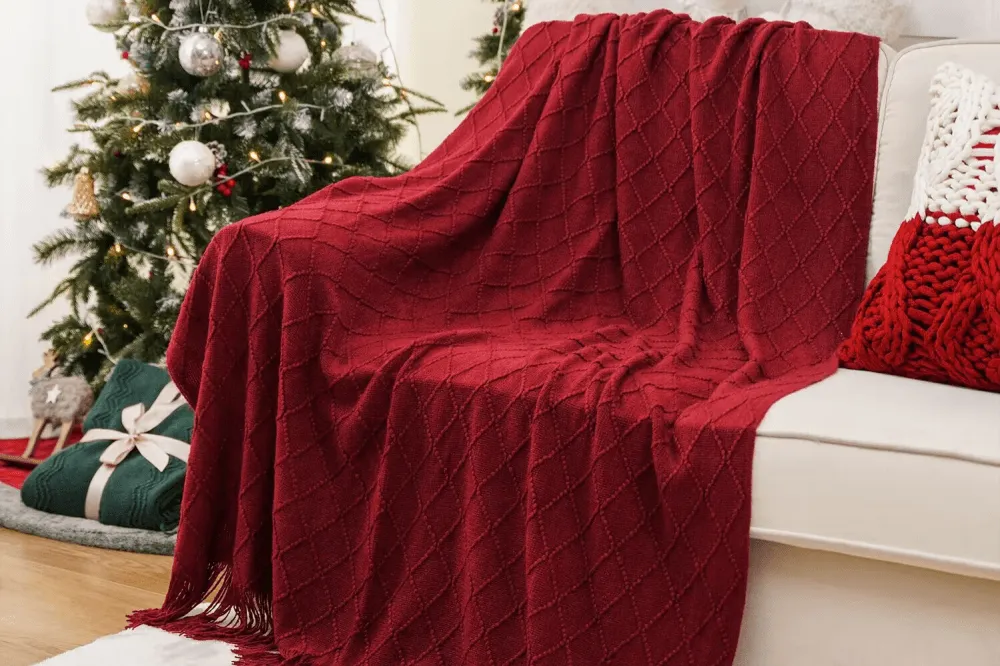
3 Critical Strategies to Avoid Holiday Supply Chain Delays
1. Leverage Agile ODM Capabilities: Developing new products from scratch takes time. Working with a supplier offering robust ODM design archives reduces pre-production delays by weeks.
2. Prioritize Certified & Compliant Mills: Border delays often stem from incomplete compliance paperwork. Partnering with GRS- and OEKO-TEX-certified manufacturers ensures smooth customs processing across North American and European markets.
3. Plan Dual-Track Logistics: Combine cost-effective ocean freight for primary stock with scalable production options for fast-turnaround reorders during peak sales periods.
Plan Your Next Holiday Collection with Nanjing Olive Textiles
Timing is everything in seasonal retail. At Nanjing Olive Textiles, we specialize in helping global home brands, importers, and retailers bring custom winter blankets and throw collections to market on time.
Supported by international design teams, rapid sampling capabilities, and certified sustainable manufacturing standards (GRS, OEKO-TEX, FSC), we provide end-to-end OEM and ODM solutions tailored to your brand’s needs.
Ready to secure your production slot for the upcoming season?
Contact our design and sourcing team today to request our latest Christmas & Winter Throw Blanket catalog and sample swatches.
FAQs
Before reserving production capacity, buyers should confirm the product specification, fabric and GSM, colorways, packaging requirements, target delivery date, and expected order quantity. Clear specifications at the beginning help reduce revisions and keep the seasonal production schedule on track.
Sampling and approval are typically handled during June and July in the sourcing timeline. Buyers should use this stage to confirm fabric composition, GSM, colors, handfeel, packaging, and other product details before moving into mass production.
Bulk production should ideally begin by July or August. Starting production during this period helps buyers secure factory capacity and complete quality inspections before peak-season shipping pressure increases.
A 30- to 45-day buffer is recommended for ocean freight, customs clearance, and inland transportation. Booking vessel space early can also help reduce the risk of delays during the peak Q3 and Q4 shipping period.
Yes. Custom winter blanket programs can include seasonal colors, jacquard or printed patterns, fleece or sherpa constructions, recycled materials, labels, packaging, and other private label details based on the target market and retail channel.