 English
 Arabic
 Chinese (Simplified)
 Dutch
Dutch French
 German
 Italian
 Portuguese
 Russian
 Spanish
Choosing the right bedding material is not only about softness. For brands, wholesalers, and sourcing teams, it also affects product positioning, cost level, and sustainability messaging.
Bamboo viscose and lyocell are often compared because both offer a smooth handfeel, breathable comfort, and a more premium look than standard options. While they share similar benefits, they are not the same in sourcing value or market fit.
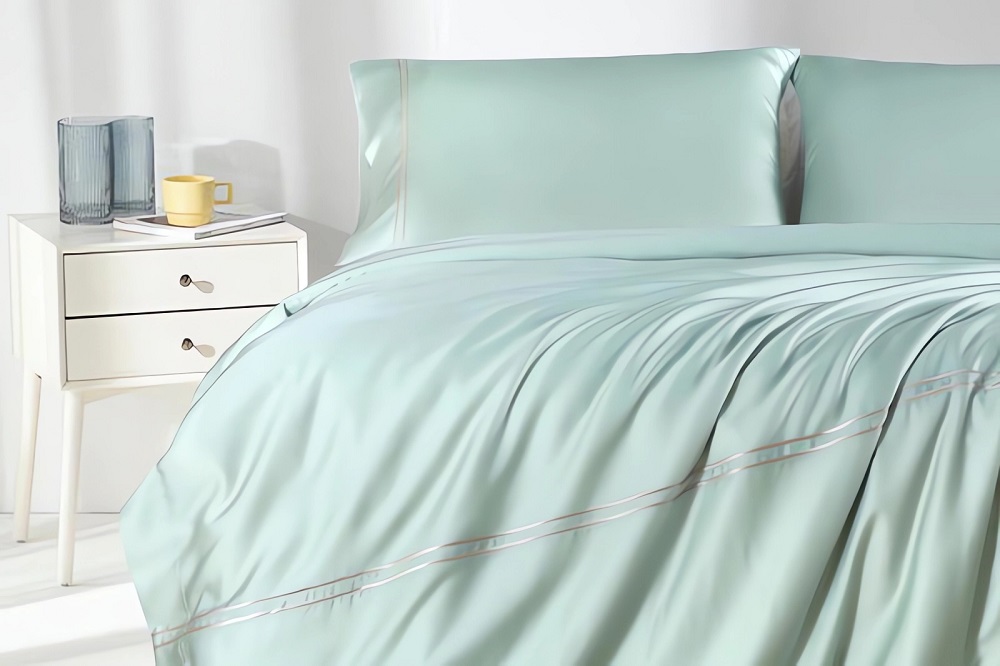
What They Have in Common
Both materials are often used in bedding collections positioned around comfort and a more elevated sleep experience.
Common advantages include:
● soft and smooth handfeel
● breathable comfort
● moisture management
● premium appearance
The Main Difference
Bamboo
Bamboo viscose is often chosen for collections that want a soft, premium-style feel at a more accessible cost. It is a practical option for mid-range bedding programs with broader commercial appeal.
Lyocell
Lyocell is usually positioned as a more premium material. It is often associated with stronger durability, a cleaner sustainability story, and a more refined product image.
A Quick Comparison
| Feature | Bamboo Viscose | Lyocell |
| Handfeel | Soft and silky | Soft and refined |
| Cost Level | More cost-effective | Higher cost level |
| Market Positioning | Mid-range to upper-mid | Premium |
| Sustainability Positioning | Eco-focused but processing may vary | More sustainability-focused premium option |
| Best Fit For | Value-driven comfort collections | Premium and performance-led collections |
Which One Fits Better for Different Market Needs?
Choose Bamboo If:
● the collection needs softness at a more flexible cost
● the target market is mid-range retail
● broader commercial appeal is important
Choose Lyocell If:
● the collection is positioned as more premium
● sustainability is a stronger selling point
● the retail channel supports a higher price point
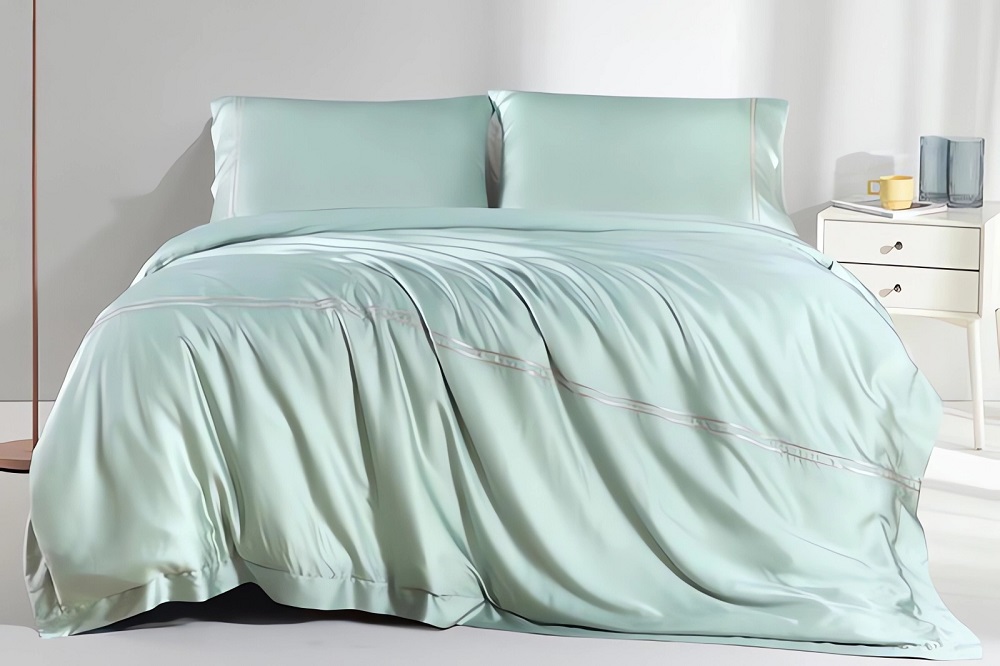
Which Direction Fits Your Collection?
Both bamboo viscose and lyocell can work well in bedding collections, but they serve different product strategies. Bamboo viscose is often better for comfort-driven, commercially flexible programs, while lyocell is more suitable for premium collections with stronger sustainability positioning.
At Olive Home, we support bedding development with flexible material options based on different market and sourcing needs.